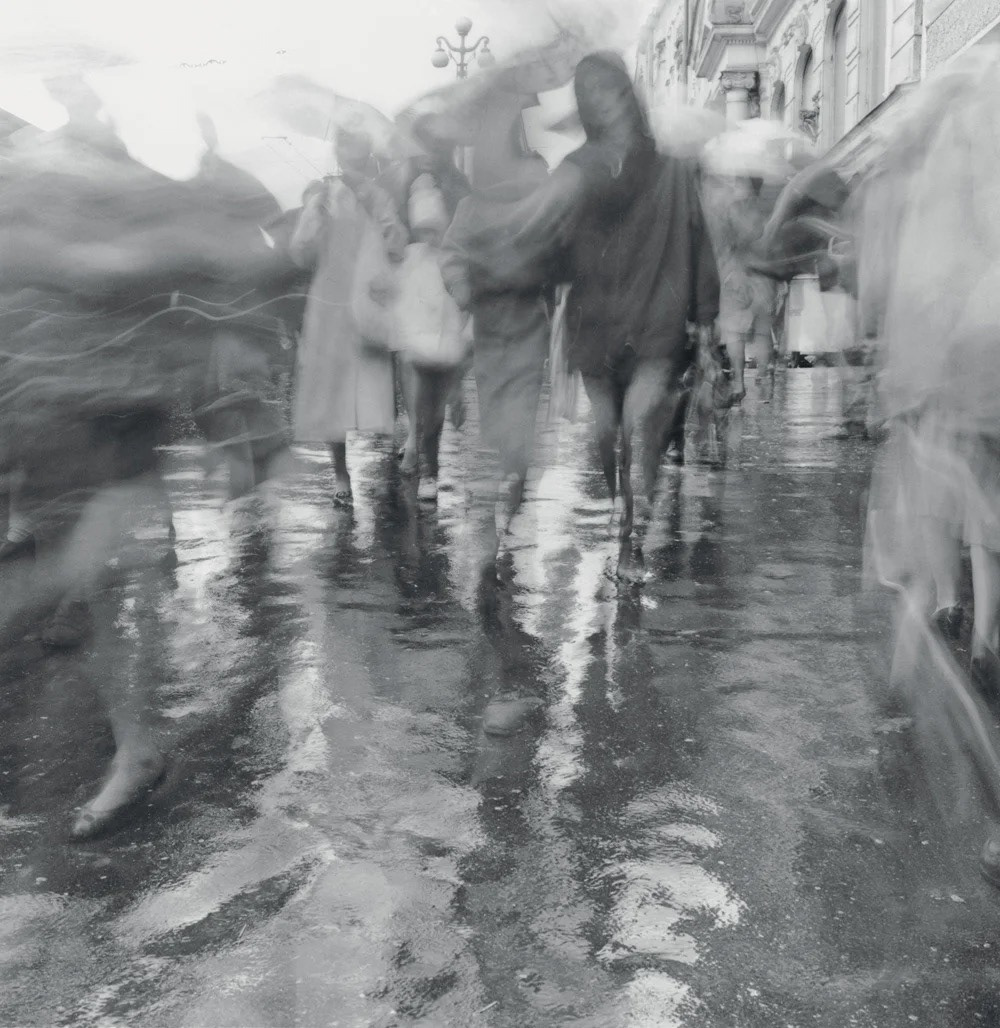
I’ve found myself increasingly drawn to the work of Olga Karlovac and to intentional camera movement more generally. What appeals to me most is the lack of definition — figures become anonymous, faces disappear, and people are reduced to shape, movement and tone. The photograph stops being a literal record of a person in a place and becomes something more ambiguous. I like that uncertainty. It leaves more room for interpretation and, to me, gives the image a more emotional and painterly quality.
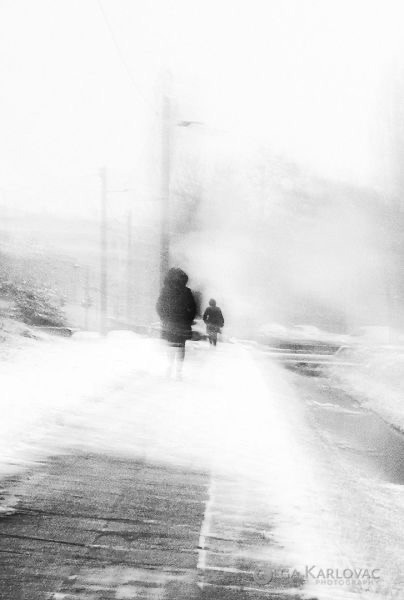

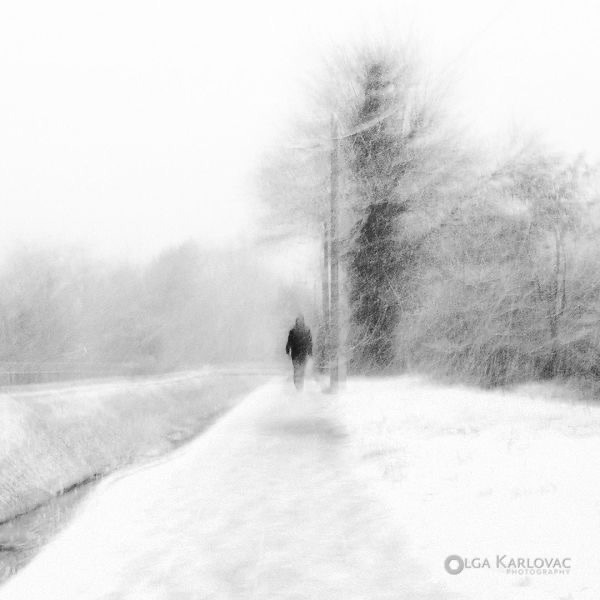


That doesn’t mean I think conventional street photography lacks skill. There are extraordinary photographs built around timing, observation and instinct, and recognising the right moment is a skill in itself. But I’ve realised that simply photographing people walking through a street doesn’t give me the same satisfaction. I’m becoming more interested in making an image rather than just finding one. With ICM, slow shutter speeds and deliberate camera movement, there is an extra layer of intention: how the camera moves, how much of the subject remains recognisable, where the blur travels through the frame, and when to press the shutter. ICM is specifically based on moving the camera during the exposure, turning motion itself into part of the composition.
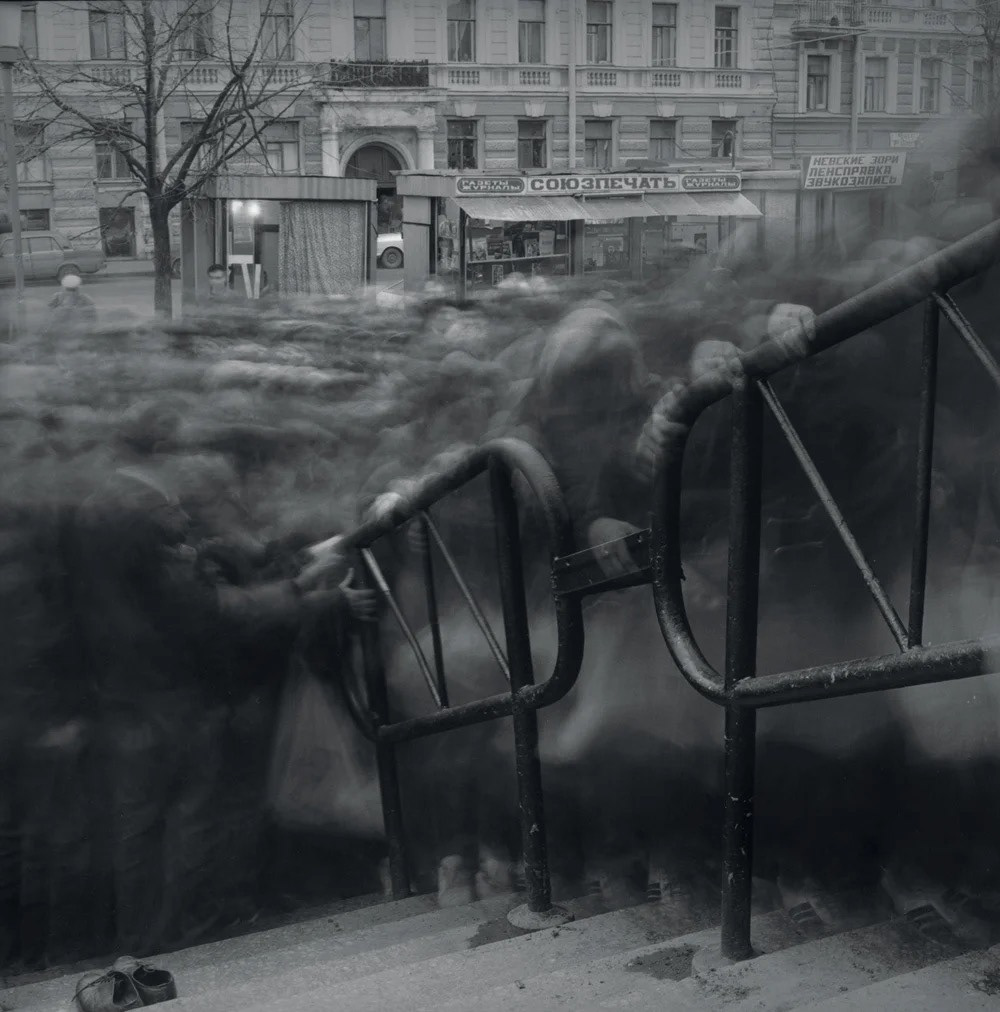
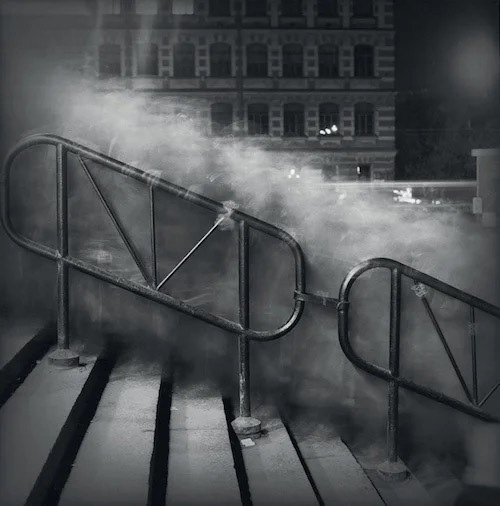
Karlovac is an obvious reference point for me, but there are others I want to study as I explore this direction. Ernst Haas is particularly interesting because of the way he used slower shutter speeds and motion to create highly expressive, almost painted photographs; his colour work is an important historical reference for this approach. Alexey Titarenko’s long-exposure street photographs transform crowds into ghostlike forms, while Chris Friel pushes intentional camera movement much further towards complete abstraction. I’m also interested in Saul Leiter, even though his work isn’t primarily ICM: his use of reflections, obscured figures, compressed layers and colour shows another way of making the street less literal. All of these photographers seem to move photography away from simply describing what was in front of the camera and towards interpreting what it felt like to be there — and that is the direction I increasingly want my own work to take.